

Key takeaways
- Five queen hybrid mattresses compared for balanced support and bounce: plush, firm and cooling picks, plus honest advice on frames, weight and home trials.
A hybrid mattress pairs a foam comfort system with a coil support core: you get contouring at the shoulders and hips without the stuck, slow feeling of a deep all-foam bed, plus the airflow, bounce and edge structure that foam alone rarely delivers. The catch is that the word hybrid covers everything from a thin foam layer over basic springs to a tall, zoned, multi-layer build, so the label by itself tells you very little about how a bed will actually feel.
This guide compares five queen-size hybrids that take genuinely different approaches: a medium-firm all-rounder, a plush build shaped for side sleepers, a firm heavy-duty model, a cooling design with a heat-wicking cover, and a simple budget bed. Each section names the size its listing and ASIN refer to, so you can compare like with like before ordering.
As an Amazon Associate, we earn from qualifying purchases.
Quick answer
For most couples and combination sleepers, a medium-firm pocketed-coil hybrid in queen is the safest buy: the DreamCloud Classic 12-inch pairs gel foam with wrapped coils. Side sleepers should go plusher, heavier back sleepers firmer, hot sleepers should pick a cool-touch cover, and tight budgets are better served by a simpler budget hybrid.
DreamCloud Classic 12-Inch Hybrid (Queen): the medium-firm all-round pick

The DreamCloud Classic is the reference point for this category: a 12-inch profile with gel memory foam above a core of individually wrapped coils, finished with a quilted cashmere-blend top panel. The feel lands in medium-firm territory, which is exactly why it works as the all-round recommendation. It is supportive enough for back sleeping, cushioned enough for occasional side sleeping, and responsive enough that combination sleepers can change position without feeling stuck in a foam trench.
The wrapped coils are the detail that matters most here. Because each coil moves independently, the bed isolates motion better than a traditional spring unit while still giving the surface some life, and the foam above them is CertiPUR-US certified in a fiberglass-free build. The queen listing used for this guide is ASIN B0F75Q1K1Y.
Trade-offs are real but manageable. At roughly 79 pounds, the queen is a two-person unboxing job. The quilted top panel sleeps warmer than the cooling pick further down this list, and very heavy sleepers may find the support core less substantial than the heavy-duty model below. The listing advertises an extended home trial and warranty, but marketplace terms can differ from the brand’s own store, so confirm the return window before you buy.
Zinus 12-Inch Comfort Support Hybrid (Queen): the plush pick for side sleepers

Side sleepers need the shoulder and hip to sink far enough to keep the spine level, and that is the job the Zinus Comfort Support Hybrid is built for. This 12-inch queen is sold in a medium plush feel: memory foam comfort layers over pocket springs, in a fiberglass-free build with CertiPUR-US certified foams. The queen listing used here is ASIN B0CKYZNGM8.
Compared with Zinus’s all-foam beds, the pocket springs change the character of the mattress. There is more airflow through the core, a little more bounce when you roll over, and less of the slow, sinking sensation that makes some side sleepers feel trapped even when the pressure relief is good. For a lighter or average-weight side sleeper, this is the most forgiving surface in the guide.
The limits follow from the same softness. Most stomach sleepers will find the midsection dips too much, and heavier bodies compress the plush layers quickly and rest on the coil unit, which shortens the bed’s useful life. Edge support is modest, so the sleeping surface feels slightly smaller than the stated dimensions. Treat it as a comfort-first bed for side sleeping, not a durable all-purpose answer.
Brooklyn Bedding Titan Plus Core 12-Inch (Queen): the firm pick for back sleepers and heavier bodies

Most mainstream hybrids are engineered around an average-weight sleeper, and they quietly fail heavier bodies: foams compress, coils deflect too far, and the surface develops a hammock shape. The Titan Plus Core exists for that gap. Brooklyn Bedding’s Titan line is designed specifically for higher body weights, and this 12-inch queen pairs a gel foam comfort layer with the reinforced TitanCore pocketed coil unit. The queen listing used here is ASIN B0FWCZZC9V.
The feel is honestly firm, and that is the point. Back sleepers get a flat, stable surface that keeps the pelvis from sinking, and sleepers over 230 pounds get support that holds its line instead of bottoming out. The brand rates the line for loads far beyond what a standard hybrid is built to carry, and the denser construction should age more slowly under heavy nightly use than a softer bed asked to do the same work.
The flip side is that this is a specialist tool. A light side sleeper will likely find the shoulder pressure unforgiving, and the box is one of the heaviest in this guide, so plan for two people and a clear path to the bedroom. If you are of average weight and sleep in several positions, the all-round pick above will suit you better and cost you less effort on delivery day.
Brooklyn Bedding Aurora Luxe 13-Inch (Queen, Medium): the cooling pick

The Aurora Luxe attacks the most common hybrid complaint, sleeping hot, at the surface. Its GlacioTex cover is cool to the touch and designed to wick heat away from the body, and beneath it sit copper-infused comfort foam and a zoned pocketed coil unit with firmer support through the lumbar region. This listing is the 13-inch queen in the medium feel, ASIN B0GQH9KWBB; the same model line is sold in softer and firmer variants under different listings, so check the firmness named on the page you open.
In the medium build, the Aurora Luxe suits back and combination sleepers who run warm, and side sleepers who want cooling without giving up all pressure relief. The zoned coils are a genuine feature rather than a label: the middle of the bed resists sagging where body weight concentrates, which helps the surface stay level over time.
Two honest caveats. A cool-touch cover feels coolest in the first minutes of contact and the effect levels off as the fabric reaches body temperature, so think of it as faster heat dispersal, not air conditioning. The smooth GlacioTex weave is also slippery, and some owners find fitted sheets creep on it. This is the pick to choose for temperature problems specifically, not as a default upgrade.
Zinus 12-Inch Euro Top Pocket Spring Hybrid (Queen): the budget pick

The Zinus Euro Top Hybrid is the entry point to pocketed coils: a 12-inch queen with a quilted euro top comfort layer over individually wrapped pocket springs, in a medium overall feel. The queen listing used here is ASIN B0876Z38K9.
What the money buys, honestly, is the coil type. Cheaper hybrids often still use a connected innerspring, where one spring’s movement drags its neighbors along; pocket springs move independently, so a partner’s movement stays more local and support follows the body’s curves more closely. The padded euro top gives a softer first impression than the medium-firm all-rounder at the head of this guide, while the feel underneath stays near the middle of the scale, which keeps the bed usable for back and combination sleepers as well as guest rooms.
The savings show up in the foam specification rather than the spring unit. Comfort foams at this level are less dense, so they soften faster under nightly use, and heavier sleepers reach the coil layer sooner and wear the bed out earlier. Edge support is serviceable rather than strong. Zinus backs the mattress with a 10-year warranty, and as a first hybrid, a guest bed, or a medium-term primary bed for a lighter sleeper it is a sensible spend. As a decade-long bed for a heavy couple, it is the wrong tool.
How to choose
Match firmness to sleep position and body weight before anything else. Firmness labels are relative: a medium-firm bed feels supportive to a 150-pound back sleeper and soft to a 260-pound one, because what matters is how far your body compresses the comfort layers. Side sleepers generally need a softer surface, back sleepers a medium to firm one, and heavier sleepers a firmer, denser build regardless of position.
Do not shop by coil count. Coil count by itself does not predict support or durability; the thickness of the steel, the height of the coils and the density of the foams above them matter more, and a modest count of heavy-gauge coils can outlast a headline count of thin ones. Treat a big coil number as marketing until the rest of the specification supports it.
Edge support varies a lot between hybrids, from reinforced perimeter coils to nothing at all. It matters most for couples who use the full width of a queen, and for anyone who sits on the side of the bed to dress. If you share a queen and both sleep near the edge, put edge structure high on your list.
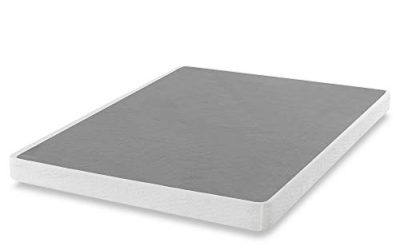
Finally, respect the logistics. Hybrids are heavy, with queen boxes in this guide ranging from around 80 pounds to well over 100, and some foundations and slatted frames cannot carry them safely. Check the weight limit of your base and the slat spacing, since most makers want slats no more than about three inches apart and a rigid, even surface underneath. Zoned coils deserve the same skepticism as any feature: they help some sleepers and feel odd to others, with transitions that land in the wrong place for their body. The trial period is the real test, so note the return terms attached to the listing itself, which may be shorter than the trial the brand offers in its own store.
Who should skip
Skip the whole category if you want the deep, slow contour of an all-foam bed and the strongest possible motion isolation for a restless partner; an all-foam or latex mattress serves that goal better. Skip these five if you cannot get a heavy boxed mattress up stairs and set it up with help, and look instead at in-store delivery with setup included. Skip them if your frame is a basic rail set or has widely spaced slats and you will not upgrade it, because a heavy hybrid on weak support sags early and can lose its warranty cover. Strict stomach sleepers who need an extra-firm, flat surface should note that only the Titan pick here truly fits. And if you want a flippable, two-sided mattress, every pick in this guide is one-sided by design.
Frequently Asked Questions
Do hybrid mattresses sleep cooler than all-foam beds?
Generally yes. The coil core lets air move through the bed instead of trapping heat in a solid foam block, and most hybrids keep the densest foam away from the surface. The cover and comfort foams still matter more than the label, which is why the Aurora Luxe, with its heat-wicking cover, is the specific pick for hot sleepers.
Can I put a hybrid on my current box spring or slatted frame?
Only if the base is rigid and even. Slats should sit about three inches apart or less, a platform should be solid, and an older flexible box spring with widely spaced wires can let a heavy hybrid sag and may breach the maker’s support requirements. Check the foundation rules for the model you buy before the box arrives.
How long should a hybrid mattress last?
A quality hybrid used nightly typically holds its comfort for about seven to ten years. Heavier sleepers, thinner comfort layers and weak foundations all shorten that span, which is why the heavy-duty Titan build exists and why the budget Euro Top is best matched to lighter sleepers. Rotating the bed head to foot every few months evens out wear.
Do hybrid mattresses need to be flipped?
No. All five picks here are one-sided, built in a fixed order with the comfort layers on top, so flipping would put the support core against your body. Rotate the mattress instead. If a two-sided, flippable bed is a priority, you will need to look at traditional innerspring designs outside this category.
Final verdict
For most buyers, the DreamCloud Classic is the balanced default: medium-firm, supportive, and forgiving across sleep positions. Side sleepers should choose the plush Zinus Comfort Support, back sleepers and heavier bodies the firm Titan Plus Core, and hot sleepers the Aurora Luxe with its heat-wicking GlacioTex cover. The Zinus Euro Top covers guest rooms and tight budgets, as long as you accept comfort foams that soften sooner than the premium builds. Whichever you pick, confirm the firmness variant on the listing page, measure your slat spacing, and keep the listing’s trial terms in mind during the first month.
Product and ASIN Reference
| Product | Size | ASIN |
|---|---|---|
| DreamCloud Classic 12-Inch Hybrid | Queen | B0F75Q1K1Y |
| Zinus 12-Inch Comfort Support Hybrid | Queen | B0CKYZNGM8 |
| Brooklyn Bedding Titan Plus Core 12-Inch | Queen | B0FWCZZC9V |
| Brooklyn Bedding Aurora Luxe 13-Inch (Medium) | Queen | B0GQH9KWBB |
| Zinus 12-Inch Euro Top Pocket Spring Hybrid | Queen | B0876Z38K9 |
More from Amazon
Programs that pair well with the guide above. Offers and eligibility are set by Amazon and may change.
Free shipping on eligible items, Prime Video and more. Eligible new members can start with a free trial.
Start a Prime free trialAudiobooks and podcasts to listen to on the go. Eligible new members can start with a free trial.
Try Audible freeAd-free music streaming. Eligible new subscribers can start with a free trial.
Try Music Unlimited freeA free business account with business pricing and bulk-buying tools for work, shop or home office.
Create a business accountAs an Amazon Associate we earn from qualifying purchases.


Write Your Review
No reviews yet. Be the first to share your experience!